

Hey there! I'm a supplier of PA speakers, and I've been in this game for quite a while. One of the most common concerns I hear from customers is how to improve the clarity of PA speakers. Well, you've come to the right place! In this blog, I'll share some tips and tricks that I've picked up over the years to help you get the best sound quality from your PA speakers.
Understanding the Basics of PA Speaker Clarity
Before we dive into the tips, let's first understand what affects the clarity of PA speakers. Clarity refers to how well the speaker reproduces sound so that the listener can easily understand the words or music being played. Several factors can impact clarity, including:
- Frequency Response: This is the range of frequencies that a speaker can reproduce. A wider frequency response generally means better clarity, as it can capture more of the nuances in the sound.
- Distortion: Distortion occurs when the speaker doesn't accurately reproduce the input signal. This can make the sound muddy and difficult to understand.
- Sound Dispersion: How the sound spreads out from the speaker is crucial. If the sound is concentrated in one area, it might not reach all listeners clearly.
Placement is Key
One of the most important factors in improving speaker clarity is proper placement. Here's how you can do it right:
- Height and Angle: Mount your speakers at the right height and angle. For example, if you're using Outdoor Wall Mount Speaker, make sure they're mounted at ear level or slightly above. This helps the sound travel directly to the listeners' ears without being blocked by obstacles.
- Avoid Obstructions: Keep your speakers away from walls, furniture, and other objects that can block or reflect the sound. Obstructions can cause echoes and reduce clarity.
- Symmetry: If you're using multiple speakers, place them symmetrically. This ensures that the sound is evenly distributed across the listening area.
Choose the Right Speaker for the Job
Not all speakers are created equal, and choosing the right one for your specific needs is essential.
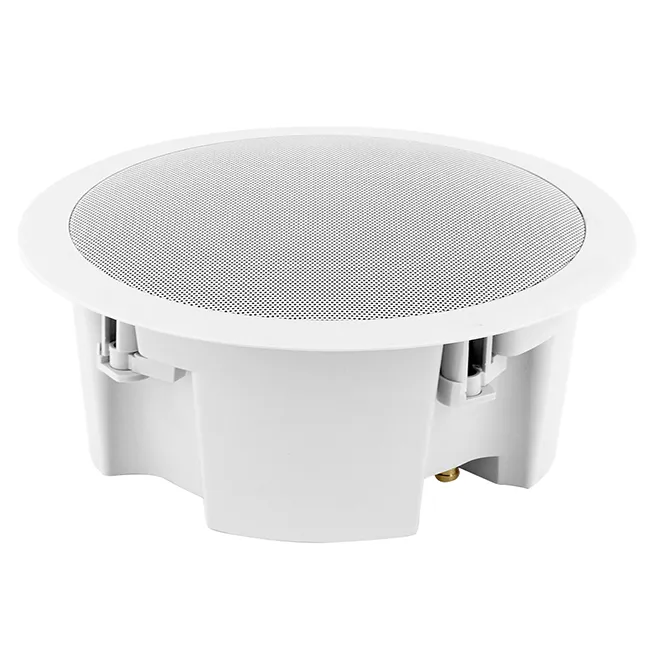
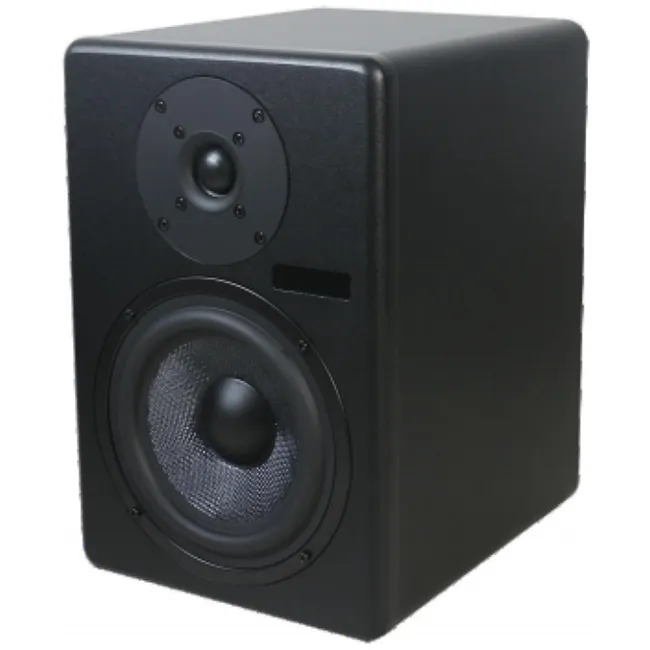
- Indoor vs. Outdoor: If you're using the speakers outdoors, you'll need ones that are weather-resistant, like the Outdoor Wall Mount Speaker. Indoor speakers might not hold up well in the elements.
- Size and Power: Consider the size of the area where you'll be using the speakers. Larger areas require more powerful speakers. For smaller rooms, Active Wall Speakers can be a great option as they're compact and can still deliver clear sound.
- Ceiling Speakers: In some cases, Ceiling Speaker with Cover can be a good choice, especially in places where floor or wall space is limited. They can provide a more even sound distribution in a room.
Room Acoustics Matter
The acoustics of the room or space where you're using the speakers can have a big impact on clarity.
- Absorb Sound: Use acoustic panels or curtains to absorb excess sound reflections. This reduces echoes and makes the sound clearer.
- Control Reverberation: Reverberation is the persistence of sound in a space after the source has stopped. Too much reverberation can make the sound muddy. You can control it by adjusting the size and shape of the room or using sound-absorbing materials.
Amplification and Signal Processing
Proper amplification and signal processing are also crucial for clarity.
- Match the Amplifier: Make sure your amplifier is powerful enough to drive your speakers. An underpowered amplifier can cause distortion, while an overpowered one can damage the speakers.
- Use Equalization (EQ): EQ allows you to adjust the frequency response of the speakers. You can boost or cut certain frequencies to improve clarity based on the characteristics of the room and the type of sound you're playing.
Maintenance and Upkeep
Regular maintenance can keep your speakers in top condition and ensure long-term clarity.
- Clean the Speakers: Dust and dirt can accumulate on the speaker cones and grilles, affecting sound quality. Use a soft brush or cloth to clean them regularly.
- Check the Connections: Loose or damaged connections can cause interference and reduce clarity. Make sure all cables are securely plugged in and in good condition.
Testing and Fine-Tuning
Once you've set up your speakers, it's important to test them and fine-tune the settings.
- Play Test Tones: Use test tones to check the frequency response and balance of your speakers. You can adjust the EQ and other settings based on the results.
- Get Feedback: Have people listen to the speakers and give you feedback. They might notice things that you missed.
Conclusion
Improving the clarity of PA speakers isn't rocket science, but it does require some knowledge and attention to detail. By following these tips, you can significantly enhance the sound quality of your speakers and ensure that your message or music is heard loud and clear.
If you're interested in purchasing high-quality PA speakers or need more advice on improving clarity, don't hesitate to reach out. I'm here to help you find the perfect solution for your needs.
References
- "Sound System Engineering" by Don and Carolyn Davis
- "Audio Engineering Handbook" by Glen Ballou