

Hey there! As a supplier of compact mixers, I've had my fair share of experiences and insights into how the size of these nifty devices can really impact their performance. So, let's dive right in and explore this topic together.
First off, let's talk about what a compact mixer is. It's a handy piece of equipment that's designed to blend, combine, and control audio signals in a relatively small and portable package. Whether you're a musician, a sound engineer, or just someone who loves playing around with audio, a compact mixer can be a game - changer.
The Impact of Size on Portability
One of the most obvious ways size affects a compact mixer is in terms of portability. Smaller mixers are a breeze to carry around. If you're a gigging musician, you know how important it is to have equipment that you can easily transport from one venue to another. A tiny compact mixer can fit in your backpack or a small carrying case, allowing you to take it with you wherever you go.
On the other hand, larger compact mixers, while still considered "compact" compared to full - sized professional mixers, can be a bit more of a hassle to move. They might require a dedicated carrying case or even a small cart. But hey, if you're mainly using the mixer in a fixed studio setting, portability might not be as big of a concern for you.
Size and Channel Count
The size of a compact mixer often has a direct correlation with the number of channels it offers. Generally, smaller mixers tend to have fewer channels. A really small compact mixer might have only 2 - 4 channels. This is great for simple setups, like a solo musician who just wants to mix a couple of microphones and maybe an instrument.
Larger compact mixers, however, can have 8, 12, or even more channels. If you're working on a project that involves multiple instruments, vocals, and effects, a mixer with a higher channel count is a must. For example, a live band performance might require a mixer with enough channels to handle each instrument and vocal line separately. Check out our 12 Channel Powered Mixer for a great option with a decent channel count.

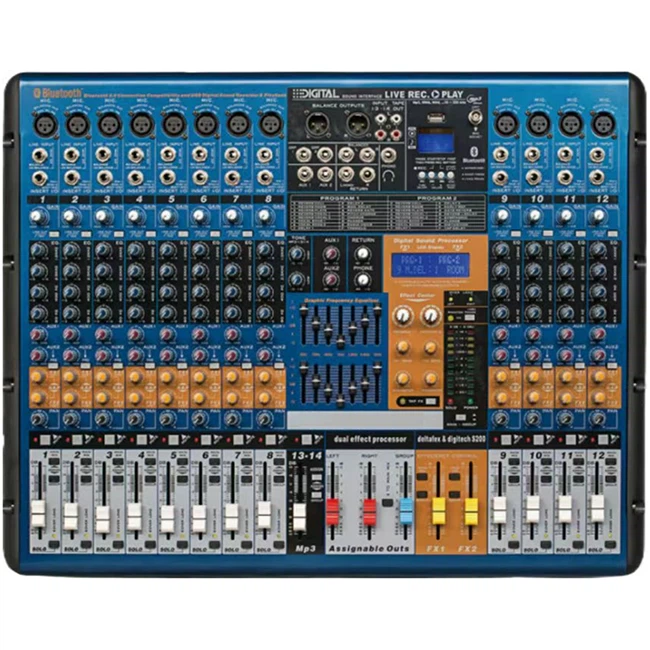
Power and Amplification
Size can also play a role in the power and amplification capabilities of a compact mixer. Smaller mixers usually have less powerful amplifiers. This means they might not be able to drive large speakers or fill a big room with sound. They're more suitable for small - scale events, home studios, or practice sessions.
Larger compact mixers, on the other hand, often come with more powerful amplifiers. They can handle bigger speakers and are better suited for larger venues. If you're planning to use your mixer for a medium - sized concert or a large corporate event, a larger mixer with good amplification is the way to go.
Sound Quality and Signal Processing
When it comes to sound quality, size can have both positive and negative impacts. Smaller mixers might have more limited signal processing capabilities. They might not be able to provide the same level of EQ adjustment, reverb, or other effects as larger mixers. This can result in a less polished and professional - sounding output.
Larger compact mixers, on the other hand, often come with more advanced signal processing features. They can offer a wider range of EQ settings, better compression, and more sophisticated effects. This allows you to fine - tune the sound to your exact specifications and achieve a high - quality audio output. For those who are really into digital signal processing, our Digital Music Mixer is a great option.
Connectivity Options
The size of a compact mixer can also affect the number and type of connectivity options it offers. Smaller mixers typically have fewer input and output ports. They might only have a few XLR inputs for microphones, a couple of 1/4 - inch inputs for instruments, and maybe a single output for speakers.
Larger mixers, on the other hand, can have a wider variety of connectivity options. They might include USB ports for connecting to a computer, Bluetooth connectivity for wireless audio streaming, and multiple outputs for different types of speakers and recording devices. If you're looking for a mixer with Bluetooth capabilities, check out our Digital Mixer with Bluetooth.
Cost Considerations
Size can also have an impact on the cost of a compact mixer. Generally, smaller mixers are more affordable. They're a great option for beginners or those on a tight budget. You can get a basic small - sized compact mixer for a relatively low price and still have a functional piece of equipment for your audio needs.
Larger compact mixers, with their more advanced features, higher channel counts, and better performance capabilities, tend to be more expensive. But if you're a professional or someone who needs a high - end mixer for complex projects, the investment might be worth it.
Making the Right Choice
So, how do you decide which size of compact mixer is right for you? Well, it all depends on your specific needs and usage scenarios. If you're a solo artist who mainly performs in small venues or practices at home, a small - sized compact mixer might be perfect for you. It's portable, affordable, and can handle your basic audio mixing needs.
If you're part of a band, work in a professional studio, or need to handle large - scale events, a larger compact mixer with more channels, better power, and advanced features is probably the way to go.
At the end of the day, the size of a compact mixer is just one factor to consider when making your purchase. You also need to think about things like sound quality, connectivity, and cost. But understanding how size affects performance can help you make a more informed decision.
If you're interested in learning more about our range of compact mixers or have any questions about which one would be best for you, don't hesitate to reach out. We're here to help you find the perfect mixer for your audio needs. Whether you're a beginner just starting out or a seasoned professional looking for an upgrade, we've got you covered.
References
- General knowledge from years of experience in the compact mixer industry.
- Product specifications and research on various compact mixer models.