

Hey there! As a PA amplifier supplier, I often get asked about how to connect a PA amplifier to a flute. It might seem a bit tricky at first, but it's actually quite doable with the right knowledge and equipment. In this blog post, I'll walk you through the whole process step by step.
First off, let's talk about why you'd want to connect a flute to a PA amplifier. Flutes are beautiful instruments, but they can be pretty quiet, especially in larger spaces. A PA amplifier can help boost the sound of your flute, making it louder and more audible to your audience. Whether you're performing on stage, teaching a class, or just jamming with friends, a PA amplifier can really enhance your flute-playing experience.
Now, let's get into the nitty-gritty of how to connect your flute to a PA amplifier. The first thing you'll need is a microphone. Since flutes don't have built-in pickups like some other instruments, you'll need to use a microphone to capture the sound. There are a few different types of microphones you can choose from, but for a flute, a condenser microphone is usually the best option. Condenser microphones are very sensitive and can pick up the delicate nuances of the flute's sound.
Once you have your microphone, you'll need to connect it to the PA amplifier. Most PA amplifiers have a microphone input, which is usually labeled as "Mic" or "XLR." You'll need to use an XLR cable to connect the microphone to the amplifier. Simply plug one end of the XLR cable into the microphone and the other end into the microphone input on the amplifier.
After you've connected the microphone to the amplifier, you'll need to adjust the settings on the amplifier to get the best sound. Start by turning the gain control on the amplifier all the way down. Then, turn on the microphone and play your flute. Slowly turn up the gain control until you get a good level of sound. You don't want the sound to be too loud or too soft, so adjust the gain control until it sounds just right.
Next, you'll need to adjust the other settings on the amplifier, such as the volume, tone, and EQ. The volume control on the amplifier will adjust the overall volume of the sound. The tone control will adjust the brightness or warmth of the sound, and the EQ (equalizer) will allow you to adjust the frequency response of the sound. Experiment with these settings to find the sound that you like best.
Now that you've connected the microphone to the amplifier and adjusted the settings, you're almost ready to start playing. However, there's one more thing you'll need to do before you start performing. You'll need to test the sound to make sure everything is working properly. Play your flute and listen to the sound coming out of the speakers. If the sound is distorted or there are any other problems, go back and adjust the settings on the amplifier until you get a clean, clear sound.
In addition to the basic setup I've described above, there are a few other things you can do to enhance the sound of your flute when using a PA amplifier. For example, you can use a pop filter to reduce the popping sounds that can occur when you play certain notes on the flute. You can also use a shock mount to reduce the vibrations that can be picked up by the microphone.
Another option is to use a mixer with your PA amplifier. A mixer allows you to connect multiple microphones and other audio sources to the amplifier and adjust the levels and settings of each source independently. This can be very useful if you're performing with other musicians or if you want to add other sounds to your performance.
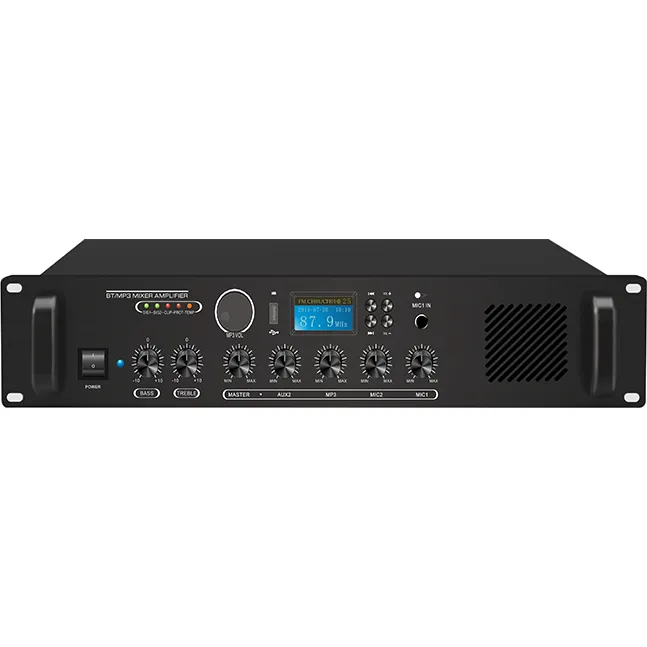
At our company, we offer a variety of PA amplifiers that are perfect for connecting to a flute. One of our popular products is the Mini Bluetooth MP3 Amplifier. This amplifier is small and portable, but it still has plenty of power to boost the sound of your flute. It also has Bluetooth connectivity, so you can stream music from your phone or other Bluetooth device.
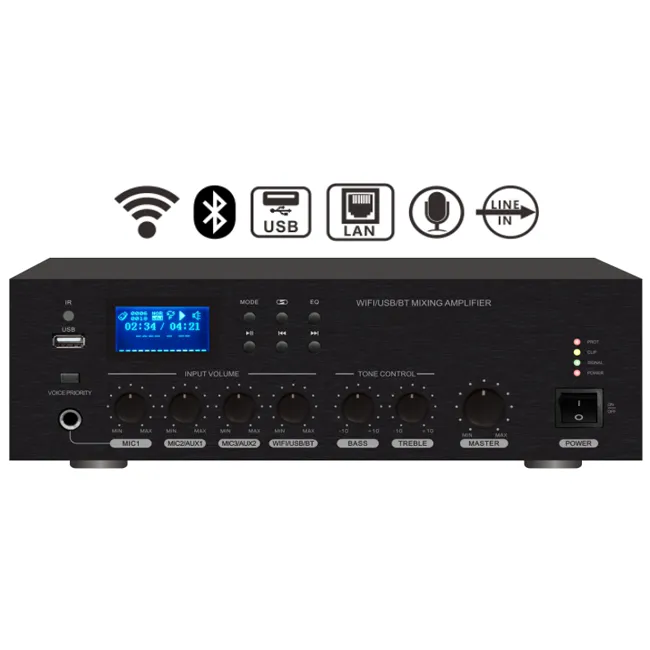
Another great option is the Mini WiFi Bluetooth USB Mixer Amplifier. This amplifier has all the features of the Mini Bluetooth MP3 Amplifier, but it also has a built-in mixer, which allows you to connect multiple microphones and other audio sources. It also has WiFi connectivity, so you can stream music from your home network.
If you're looking for a more basic amplifier, we also offer the USB Bluetooth Amplifier. This amplifier is easy to use and has a simple design. It also has Bluetooth connectivity, so you can stream music from your phone or other Bluetooth device.
In conclusion, connecting a PA amplifier to a flute is a great way to enhance the sound of your flute and make it more audible to your audience. By following the steps I've outlined in this blog post, you should be able to connect your flute to a PA amplifier and get a great sound. If you have any questions or need further assistance, please don't hesitate to contact us. We're here to help you find the right PA amplifier for your needs and to ensure that you have a great experience using it.
If you're interested in purchasing a PA amplifier for your flute, or if you have any other questions about our products, please feel free to reach out to us. We'd love to help you find the perfect amplifier for your needs and to discuss any potential purchasing opportunities. Our team of experts is always available to answer your questions and to provide you with the information you need to make an informed decision.
References
- Audio Engineering Society. (n.d.). Microphone Basics. Retrieved from https://www.aes.org/
- Sweetwater. (n.d.). How to Choose a Microphone for Your Instrument. Retrieved from https://www.sweetwater.com/